Leeds United’s season is being defined not by how they start matches — but by how they finish them. A worrying late-game pattern has emerged, and it’s costing Daniel Farke’s side crucial Premier League points.
Time and again, Leeds have been competitive for 85 minutes, only to see results slip away in the closing stages. The trend has become so pronounced that statistical analysis shows the Whites would sit comfortably in mid-table if matches ended five minutes earlier.
The late-goal trend hurting Leeds
Leeds have repeatedly conceded decisive goals after the 85th minute this season — turning wins into draws and draws into defeats.
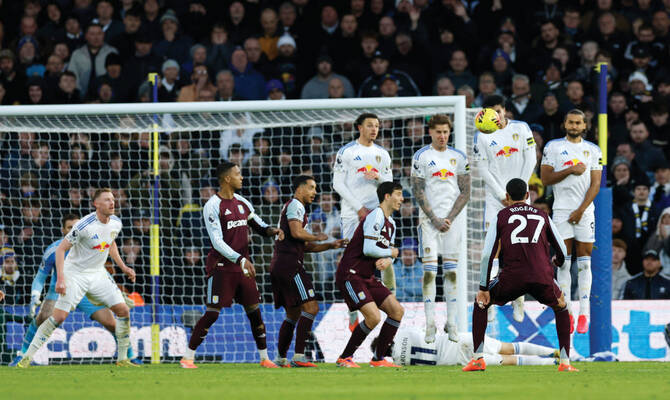
The latest example came at Villa Park, where Leeds held firm for most of the match before conceding a late equaliser. It followed a familiar script:
Leeds lead or level deep into the game
Opponents push late pressure
Leeds drop deeper defensively
Goal conceded in final minutes
It’s a pattern now impossible to ignore.
Why the problem keeps repeating
Several tactical and psychological factors are driving Leeds’ late collapses:
Defensive retreat
When protecting a result, Leeds often sink too deep, inviting sustained pressure and set-pieces — the phase where many late goals originate.
Failure to kill games
Farke’s side frequently create chances to extend leads but fail to convert them. Leaving matches alive has repeatedly come back to punish them.
Game-management maturity
Elite Premier League sides control tempo and possession late on. Leeds, still adjusting to top-flight demands, have struggled to slow games down and close them out.
The hidden cost in the table
The damage from those final-minute concessions is severe. Points dropped late are the difference between safety and danger in a tight table.
Leeds’ 85-Minute Curse: Clear Pattern Behind Costly Late Goals Revealed


Leave a Reply
- Trending
- Comments
- Latest