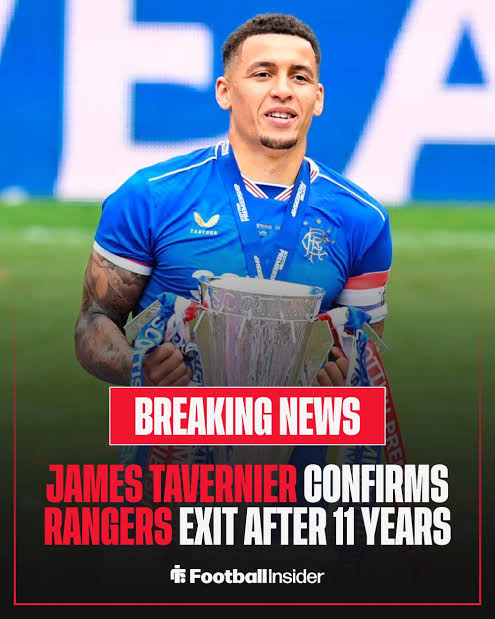
The decision surrounding James Tavernier’s departure from Rangers FC has been branded “really bizarre” by pundit Andy Walker, reigniting debate over how one of the club’s most influential modern figures has been handled.
Tavernier, who has long been a central figure at Ibrox, leaves behind a legacy defined by remarkable attacking output, leadership, and durability. As captain, he played a crucial role during both challenging periods and moments of resurgence, often leading by example when the pressure was at its peak.
However, Walker has questioned the logic behind the circumstances of the exit, suggesting the situation doesn’t align with Tavernier’s contributions or standing within the squad. His comments reflect a growing sentiment among sections of supporters who feel the decision lacks clarity and proper justification.
“It just doesn’t make sense,” Walker implied in his assessment, pointing to the defender’s consistent performances and influence in the dressing room. For a player of Tavernier’s stature, many expected a more fitting conclusion — whether that meant a clearer transition plan, a testimonial-style send-off, or stronger communication from the club.
The controversy also highlights a broader issue at Rangers: how to manage the departure of key figures who have defined an era. Tavernier’s case is particularly sensitive given his role as captain and the expectations that come with leading a club of Rangers’ magnitude.
Fans remain divided. Some believe the time was right for change, with the club looking to refresh and evolve. Others argue that Tavernier still had plenty to offer and deserved a more respectful and transparent exit.
What’s undeniable is that the manner of his departure has added an unexpected layer of tension to what should have been a moment of appreciation. Instead of a unified farewell, the conversation has turned into scrutiny — of decisions, timing, and respect for legacy.
“‘Really Bizarre’: Andy Walker Slams James Tavernier Exit Decision as Rangers FC Face Fresh Debate”


Leave a Reply
- Trending
- Comments
- Latest









Recommended